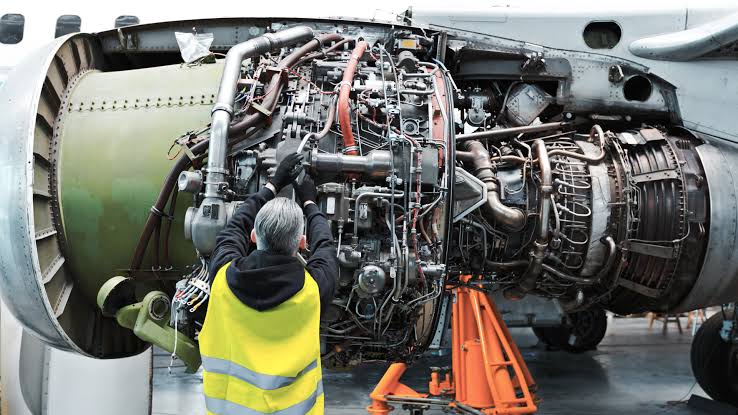
The United States has one of the largest, safest, and most respected aviation systems in the world. At the heart of this system are aircraft mechanics, professionals who work behind the scenes to ensure that every flight is safe, reliable, and compliant with strict regulations.
But what is life really like for an aircraft mechanic in the U.S.? This article offers a clear and realistic overview for readers around the world who are curious about this essential aviation career.
The Role of an Aircraft Mechanic
Aircraft mechanics—often called A&P mechanics (Airframe and Powerplant)—are responsible for inspecting, maintaining, and repairing aircraft. Their work ensures that airplanes are always in a condition safe for flight.
Typical tasks include:
- Inspecting aircraft and components
- Performing routine and corrective maintenance
- Troubleshooting mechanical and electrical systems
- Following detailed technical manuals and procedures
- Recording all work in official maintenance logs
Before an aircraft returns to service, a mechanic must certify that the work was done correctly. This responsibility is taken very seriously in the U.S. aviation system.
A Highly Structured and Safe Work Environment
In the American aviation industry, safety is not optional—it is a culture. Aircraft mechanics work under regulations established by the Federal Aviation Administration (FAA), one of the most respected aviation authorities in the world.
Mechanics may work in:
- Major airlines
- Maintenance, Repair, and Overhaul (MRO) facilities
- General aviation hangars
Regardless of the environment, all work follows standardized procedures designed to minimize errors and protect lives.
Work Schedule and Lifestyle
Aircraft maintenance is a 24/7 operation. Because aircraft often fly during the day, many mechanics work:
- Night shifts
- Weekends and holidays
- Rotating schedules
While this can be challenging, it is also part of what keeps the aviation system running smoothly. With experience and seniority, many mechanics gain more flexibility and better work-life balance.
Responsibility and Professional Respect
One of the most defining aspects of being an aircraft mechanic is responsibility. Every task performed directly affects flight safety.
In the U.S., mechanics are trusted professionals whose decisions matter. This level of responsibility brings pressure—but also respect, pride, and professional recognition.
Many mechanics say the greatest reward is knowing their work helps people travel safely every day.
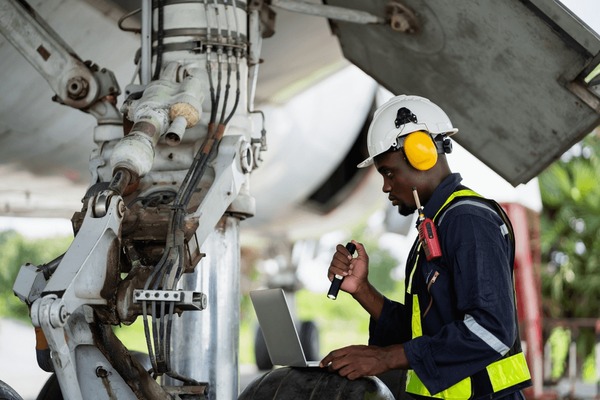
Physical and Mental Demands
The job can be physically demanding:
- Long hours on your feet
- Working in tight spaces
- Exposure to noise, weather, and tools
It is also mentally demanding, requiring focus, problem-solving, and attention to detail. Continuous training helps mechanics stay prepared and confident.
Career Stability and Opportunities
The United States currently faces a strong demand for qualified aircraft mechanics. Fleet growth and retirements have created excellent job opportunities across the country.
Aircraft maintenance offers:
- Competitive salaries
- Overtime and shift bonuses
- Long-term job stability
- Clear paths for career growth
With experience, mechanics can advance into roles such as inspectors, supervisors, managers, or technical instructors.
Continuous Learning and Growth
Aviation technology is constantly evolving. Modern aircraft rely on advanced systems, digital diagnostics, and new materials. For this reason, continuous learning is part of the profession.
This culture of training strengthens not only individual careers but also the global reputation of American aviation.
Why Aircraft Mechanics Matter
Aircraft mechanics may not be visible to passengers, but their impact is enormous. Every safe takeoff and landing depends on their skill, discipline, and commitment.
By investing in people, training, and high standards, the U.S. aviation maintenance sector continues to set an example for the world.
Final Thoughts
Life as an aircraft mechanic in the United States is:
- Challenging, but rewarding
- Demanding, but stable
- Highly responsible, but deeply respected
For those who value safety, technology, and meaningful work, it is more than a job—it is a profession that keeps global aviation moving forward.